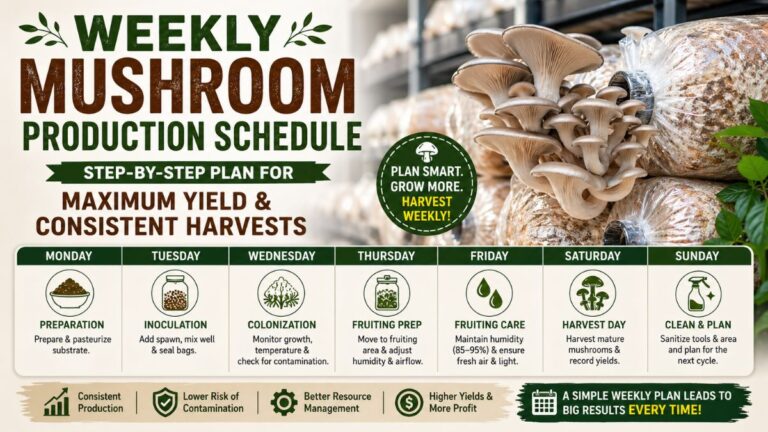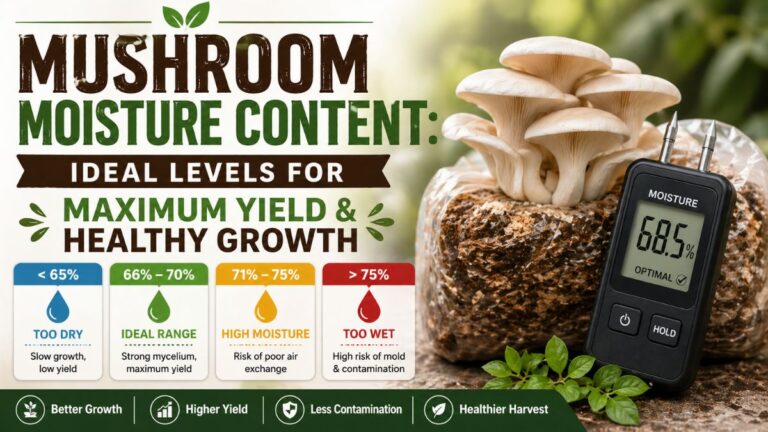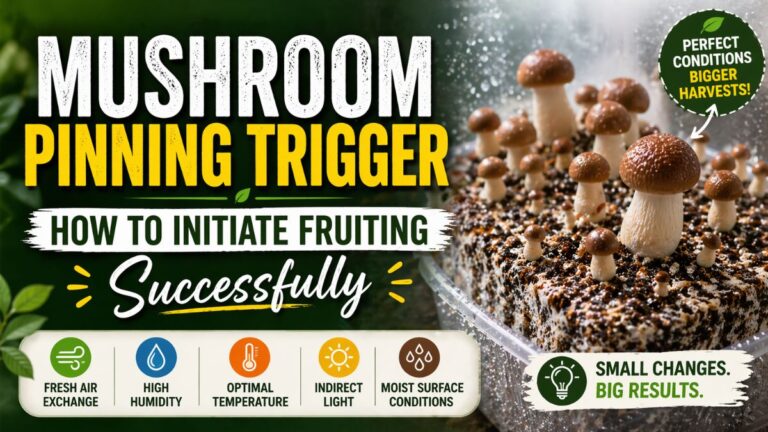
Growing mushrooms isn’t just about spores and substrates—it’s about creating the perfect world for them to thrive. A well-optimized Mushroom Cultivation Environment can mean the difference between weak, inconsistent harvests and dense, high-yield flushes that truly impress. If you’ve ever struggled with slow growth, contamination, or poor fruiting, chances are your environment—not your technique—is holding you back.
The good news? Once you understand the key factors and how to control them, you can dramatically improve your results—even as a beginner.
Understanding the Core Factors of a Mushroom Cultivation Environment
Before setting up anything, you need to understand what mushrooms actually need to grow efficiently.
Temperature Control for Mushroom Growth
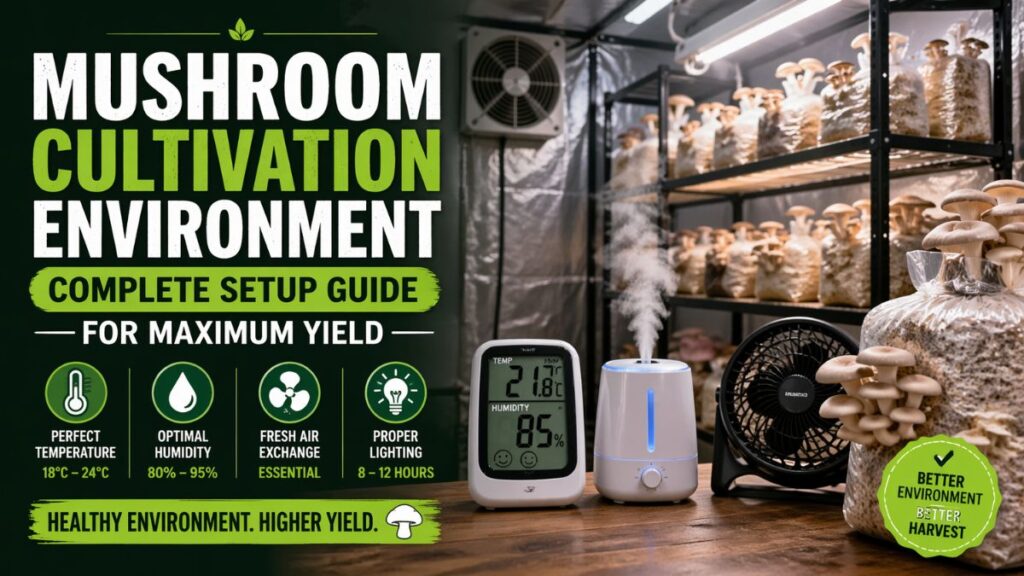
Different species prefer different temperature ranges, but most thrive between 18°C to 24°C.
- Too hot → increases contamination risk
- Too cold → slows down colonization
- Use a thermometer and maintain consistency
Humidity Requirements for Indoor Mushroom Farming
Humidity is critical, especially during fruiting.
- Ideal range: 80%–95% relative humidity
- Low humidity → dry, cracked mushrooms
- High humidity without airflow → contamination
Use a hygrometer and misting system to maintain balance.
Fresh Air Exchange in Mushroom Cultivation
Mushrooms need oxygen to grow properly.
- Poor airflow leads to long stems and small caps
- Ensure proper ventilation or manual air exchange
- Avoid direct strong wind—it dries out the substrate
Step-by-Step Setup Guide for Maximum Yield
Now that you understand the basics, here’s how to build an efficient setup.
Step 1: Choose the Right Growing Space
You don’t need a fancy lab—just a controlled area.
- Small room, closet, or grow tent works well
- Keep it clean and away from direct sunlight
- Avoid high-traffic areas to reduce contamination
Step 2: Install Environmental Controls
To create a stable Mushroom Cultivation Environment, use simple tools:
- Humidifier for moisture
- Fan or ventilation system for airflow
- Heater or AC (if needed) for temperature control
- Thermometer + hygrometer for monitoring
Step 3: Maintain Proper Lighting Conditions
Mushrooms don’t need intense light.
- Indirect or low light is sufficient
- 8–12 hours of light helps trigger fruiting
- Avoid direct sunlight (can dry out substrate)
Step 4: Monitor and Adjust Daily
Consistency is key for high yield.
- Check temperature and humidity daily
- Adjust misting and airflow as needed
- Keep a simple log to track performance
To simplify this process, you can use this smart tool: Mushroom Cultivation Environment Optimizer. It helps you fine-tune your setup for optimal results.
Expert Tips, Benefits & Common Mistakes to Avoid
Even with the right setup, small mistakes can impact your yield. Here’s how to stay ahead.
Key Benefits of an Optimized Environment
A properly managed Mushroom Cultivation Environment offers:
- Faster colonization
- Higher yields per flush
- Better mushroom size and quality
- Reduced contamination risk
Best Practices for Consistent Results
Follow these expert tips:
- Always sterilize tools and workspace
- Use clean water for misting
- Maintain stable conditions—avoid sudden changes
- Start with beginner-friendly species like oyster mushrooms
Common Mistakes to Avoid
Many growers fail due to these simple errors:
- ❌ Overwatering (leads to mold)
- ❌ Ignoring airflow (causes poor fruiting)
- ❌ Fluctuating temperature frequently
- ❌ Not monitoring humidity levels
Safety Precautions
Stay safe while cultivating:
- Wear gloves when handling substrates
- Use masks if working with spores
- Keep electrical devices away from water sources
FAQs:
1. What is the ideal temperature for mushroom cultivation?
Most mushrooms grow best between 18°C and 24°C, though some species may vary slightly.
2. How do I maintain humidity without overwatering?
Use a humidifier or fine mist spray instead of soaking the substrate directly.
3. Can I grow mushrooms without special equipment?
Yes! Basic setups using a room, spray bottle, and natural airflow can still work effectively.
Conclusion:
Mastering your Mushroom Cultivation Environment is the single most powerful step you can take to boost your yield and consistency. With the right balance of temperature, humidity, and airflow, you’re not just growing mushrooms—you’re creating the ideal ecosystem for success.